
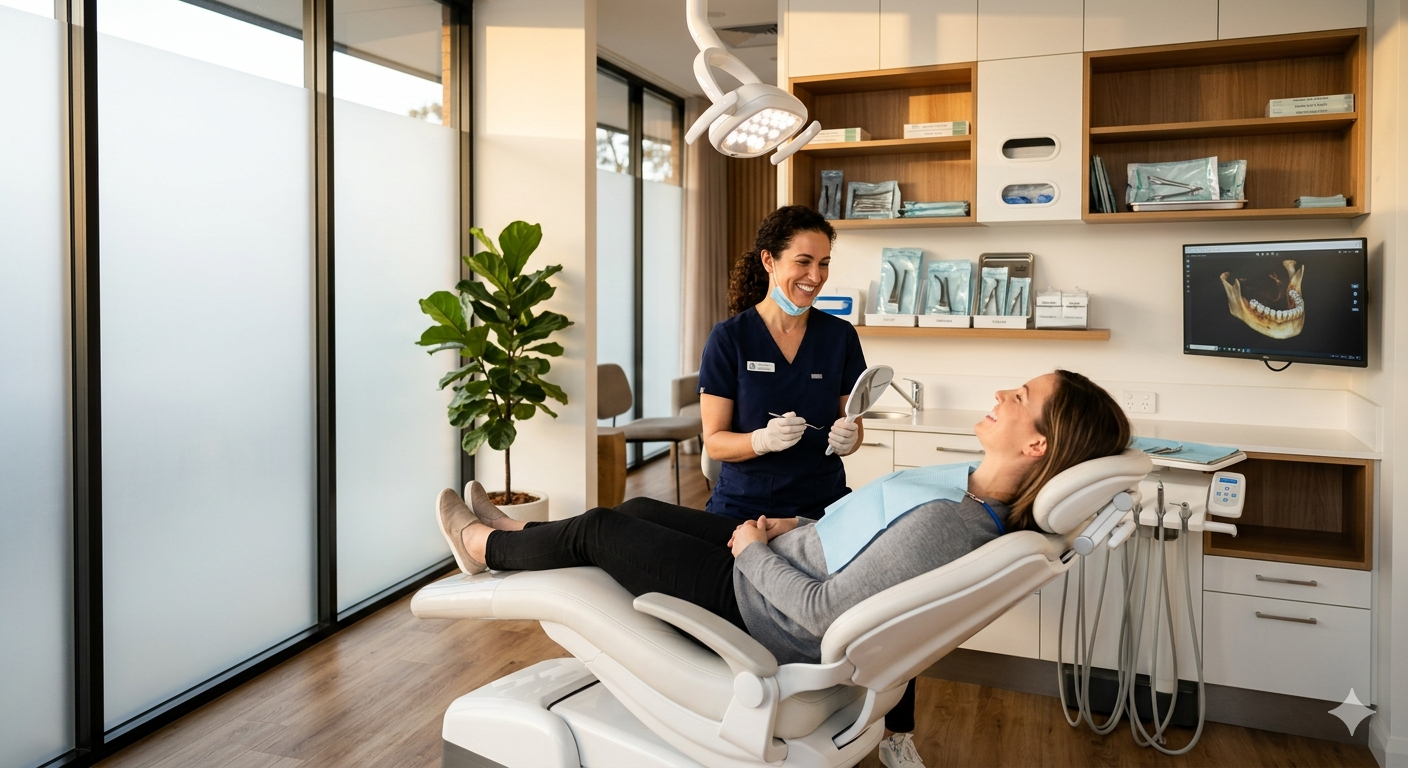
When a dental emergency strikes in Tampa, knowing who to call and what to expect can make all the difference. An emergency dentist in Tampa, FL, provides prompt care for unexpected dental issues like severe tooth pain, broken teeth, or sudden swelling. These specialists are ready to offer relief and treatment when regular office hours aren’t enough.
Dental emergencies can feel overwhelming, but emergency dentists focus on patient comfort and use modern techniques to address problems efficiently. Whether it’s a lost filling or a more serious injury, Tampa’s emergency dental services prioritize quick, effective care to protect your oral health.
If a dental crisis happens, it’s important to seek professional help without delay. Emergency dentists in Tampa are equipped to handle urgent needs and guide patients through recovery with advice and follow-up options that help prevent future issues.
Recognizing Dental Emergencies
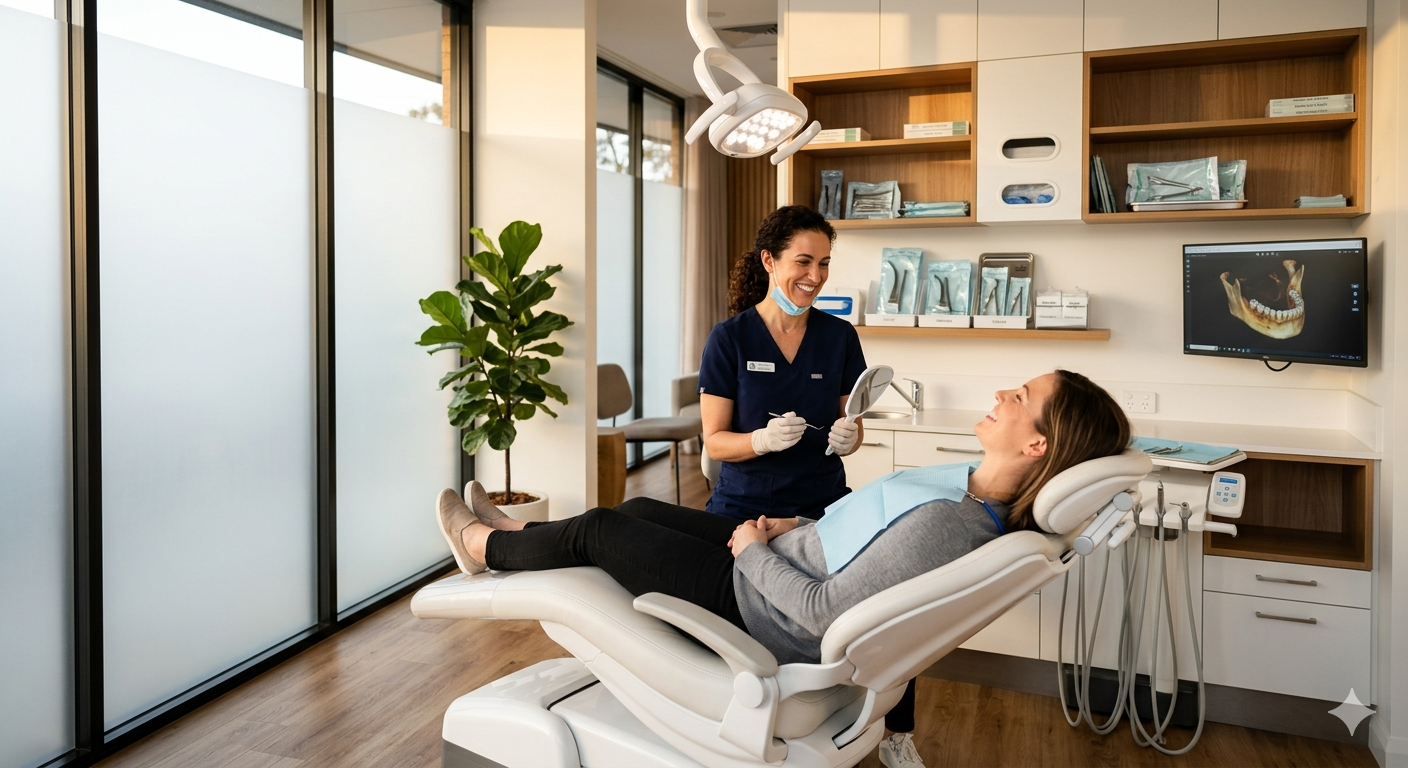
Not every dental issue requires an immediate visit, but knowing the key signs can prevent complications. Understanding when pain, damage, or infection becomes urgent helps patients get timely care and relief.
Common Signs and Symptoms
Dental emergencies often present with sudden, intense pain, swelling, or visible damage to teeth and gums. Severe toothache that doesn’t improve with over-the-counter painkillers is a major warning sign.
Other symptoms include bleeding that won’t stop, loose or knocked-out teeth, and swelling around the face or jaw. Difficulty breathing or swallowing related to dental pain signals a serious problem that demands fast action.
Sometimes, an abscess causes a bad taste or smell in the mouth, accompanied by fever and swelling. These infections can spread quickly and require urgent treatment.
When to Seek Help Right Away
Immediate dental care is needed if there is uncontrolled bleeding after trauma. A knocked-out tooth needs quick action—ideally within one hour for the best chance to save it.
Sudden swelling, especially around the eye or neck, signals potential infection spread. This can affect breathing and swallowing, so prompt emergency attention is critical.
Severe pain that interferes with sleep or eating also warrants urgent evaluation. Patients experiencing broken teeth with sharp edges should see an emergency dentist to avoid injury inside the mouth.
If a crown or filling has fallen out causing discomfort or sensitivity, quick treatment can prevent further damage.
Urgent vs. Non-Urgent Conditions
Urgent dental problems involve severe pain, bleeding, or trauma like knocked-out or fractured teeth. These require same-day or next-day care.
Non-urgent issues include mild tooth sensitivity, loose braces, or slight gum irritation without swelling or pain. These can wait for a regular dental appointment but still need evaluation.
Knowing the difference helps avoid unnecessary emergency visits but ensures serious conditions receive prompt treatment. When in doubt, contacting an emergency dentist for advice can provide guidance on the best next steps.
Immediate Steps Before Seeing the Dentist
Taking quick, careful actions can reduce pain and prevent further damage before professional care. Properly managing the situation at home helps preserve your dental health and makes treatment smoother.
Pain Relief at Home
When dental pain strikes, over-the-counter painkillers like ibuprofen or acetaminophen are effective first steps. They reduce inflammation as well as dull the ache. Avoid aspirin if you can, as it may increase bleeding.
Applying a cold compress to the outside of the cheek for 15 minutes every hour can help numb the area and reduce swelling. Keep your head elevated to minimize blood flow and throbbing.
Avoid very hot, cold, or sugary foods as they might irritate sensitive teeth. Rinsing gently with warm salt water (1/2 teaspoon of salt in 8 ounces of water) can keep the area clean and ease discomfort without damaging tissue.
Handling Knocked-Out Teeth
If a tooth is knocked out, time is crucial. The sooner it is treated, the better the odds of saving it.
First, hold the tooth by the crown (the chewing surface) to avoid harming the root. Rinse it gently with milk or saline if dirty; never scrub or use soap.
If possible, place the tooth back into its socket and bite down gently on a clean cloth to hold it in place. If that’s not an option, keep it moist in milk or a tooth preservation kit, and head to the dentist immediately—ideally within 30 minutes.
Managing Dental Infections
A dental infection must be addressed quickly to avoid serious complications. Signs include swelling, redness, fever, and persistent tooth pain.
Rinsing gently with warm salt water several times a day can help reduce bacteria and soothe inflamed gums. Use this rinse only if there is no open wound that bleeds.
Do not try to drain the infection yourself. Apply a cold compress externally to ease swelling and take pain medication to stay comfortable.
Contacting an emergency dentist promptly is important for antibiotics or drainage when necessary. Early care limits the risk of infection spreading to other areas.
What to Expect During Your Emergency Visit
When visiting an emergency dentist in Tampa, patients can expect a streamlined process focused on quick relief and accurate diagnosis. The experience includes prompt appointment scheduling, detailed assessments using modern tools, and careful attention to comfort and safety throughout treatment.
Same-Day Appointment Procedures
Most emergency dental offices in Tampa offer same-day appointments to address urgent issues like severe tooth pain, broken teeth, or infections. Upon arrival, patients typically complete a brief medical history and explain their symptoms to help prioritize care.
The dental team will then prepare the treatment room and make sure all necessary instruments are ready. This efficiency minimizes waiting times, allowing the dentist to begin evaluation and treatment quickly. Payment options and insurance details are usually discussed after the immediate problem is managed.
Diagnostic Tools and Assessments
Accurate diagnosis is essential in emergency dental care. Dentists use a mix of digital X-rays, intraoral cameras, and sometimes CT scans to get a clear view of the affected area. These tools help find fractures, abscesses, or other issues not visible to the naked eye.
After reviewing test results, the dentist carefully explains the findings and recommends the best treatment options. This thorough assessment prevents misdiagnosis and ensures the problem is treated effectively on the first visit.
Patient Comfort and Safety
Emergency dentists in Tampa prioritize patient comfort and safety from start to finish. They offer local anesthesia to manage pain during procedures and use sedation options for patients with high anxiety.
Infection control is strictly followed with sterilized instruments and clean work areas. Throughout treatment, dental staff check in regularly to adjust pain management measures and keep patients calm. Friendly communication helps reduce stress, making urgent visits feel more manageable.
Modern Treatment Options for Dental Emergencies
When dental emergencies happen, quick and effective treatment is crucial to relieve pain and protect your teeth. Modern dental technology offers precise solutions tailored to the nature of the problem, ensuring comfort and faster recovery.
Restorative Solutions
For damaged or decayed teeth, dentists often use dental crowns and fillings made from durable composite resins. These materials blend with the natural tooth color, providing both strength and aesthetics. In cases of severe decay, root canal therapy can save the tooth by removing infected pulp and sealing it.
Dentists may also use onlays or inlays when damage is too extensive for a filling but doesn’t require a full crown. These options restore tooth function while conserving healthy structure.
Immediate restoration prevents further damage and helps maintain normal chewing and speaking functions after an emergency.
Relief for Severe Toothaches
Severe toothaches often signal infection or nerve irritation. Dentists start by diagnosing the source using X-rays and examination. Pain relief may involve analgesics, antibiotics if infection is present, or anti-inflammatory medications.
If the tooth is infected, a root canal or extraction might be necessary. Local anesthesia and sedation can ensure patient comfort during these procedures. Customized treatment plans focus on easing pain quickly while addressing the underlying issue to prevent recurrence.
Prompt attention reduces discomfort and minimizes the risk of worsening infection that could affect nearby teeth or tissues.
Treatment for Broken or Chipped Teeth
For broken or chipped teeth, treatment depends on the extent of the damage. Minor chips can be smoothed or repaired with dental bonding, where a tooth-colored resin is applied and hardened with light. This restores appearance and protects the tooth.
More severe breaks may require crowns or veneers to strengthen and shield the tooth. In cases where the fracture affects the tooth pulp, root canal therapy followed by a crown is often advised.
Prompt care helps avoid sharp edges that cause discomfort and reduces chances of infection or further breakage. Dentists focus on restoring both function and a natural smile.
Preventing Future Dental Crises
Taking steps to protect teeth daily and during specific activities can greatly reduce the risk of sudden dental problems. Simple changes and protective gear help maintain healthy teeth and avoid emergencies.
Preventive Care Habits
Regular brushing and flossing remain the backbone of preventing dental problems. Twice-daily brushing with fluoride toothpaste removes plaque and guards against cavities.
Flossing once a day cleans areas a brush can’t reach, preventing gum disease. Avoiding sugary snacks and drinks also lowers the risk of tooth decay.
Scheduling routine dental checkups allows early detection of potential issues before they turn urgent. Professional cleanings keep teeth strong and gums healthy, preventing costly emergencies.
Using mouthwash with fluoride can provide extra protection. Staying hydrated and avoiding tobacco also contribute to better oral health.
Mouthguards and Protective Devices
Mouthguards are essential for anyone involved in contact sports or activities with a risk of impact to the face. Custom-fitted guards offer the best protection against broken or knocked-out teeth.
Nightguards help those who grind their teeth during sleep, a behavior that can cause cracks, wear, and jaw pain. Without a nightguard, damage often requires emergency treatment.
Custom devices are generally more comfortable and effective than store-bought options, encouraging consistent use. Consulting a dentist can help determine which type is best.
Using the right protective gear reduces the likelihood of sudden dental trauma, making it easier to avoid emergency visits.
Choosing the Right Dental Expert in Tampa
Finding the right emergency dentist in Tampa means looking beyond just availability. Patients should consider experience, bedside manner, and the range of services offered. A good dentist knows how to handle urgent dental issues with calm and care.
It’s helpful to check if the dentist uses modern technology, like digital X-rays or same-day crowns. This can make treatments quicker and more comfortable. Also, look for dentists who offer clear explanations about procedures, so patients feel informed and at ease.
Here’s a quick list to keep in mind when choosing:
- Licensed and trained in emergency dental care
- Positive patient reviews and testimonials
- Office hours that fit your needs, especially after-hours availability
- Transparent pricing and insurance options
Comfort is key during emergencies. Dentists who prioritize pain management and gentle care help reduce stress. They often offer sedation options and create a friendly environment for patients of all ages.
Encourage patients to call or visit to discuss their concerns before an emergency occurs. Building trust early ensures smoother, faster care when it’s needed most.
Supporting Your Recovery After Emergency Care
After an emergency dental visit, recovery is just as important as the treatment itself. Following your dentist’s instructions carefully helps promote healing and prevent further issues.
Pain management is often a key part of recovery. Over-the-counter pain relievers like ibuprofen can help reduce discomfort and swelling, but it’s important to take them as directed. Applying a cold compress to the outside of the cheek can also ease pain during the first 24 hours.
Eating soft foods is usually recommended. Avoid hot, spicy, or crunchy items that might irritate the treated area. Drinking plenty of water supports healing but try to avoid using straws, as the suction can disturb blood clots.
Good oral hygiene remains essential, but be gentle. Brushing gently around the affected area and rinsing with a saltwater solution can keep the mouth clean without causing irritation. Avoid alcohol-based mouthwashes until your dentist gives the go-ahead.
Here’s a quick list of recovery tips:
| Tip | Why it Helps |
|---|---|
| Take pain medication as advised | Controls pain and inflammation |
| Use cold compresses | Reduces swelling and pain |
| Eat soft, mild foods | Prevents irritation |
| Maintain gentle oral hygiene | Keeps area clean and infection-free |
If pain persists or any new symptoms appear, it’s important for patients to contact their emergency dentist promptly. Timely follow-up ensures healing stays on track and keeps smiles healthy.
Encouragement to Reach Out for Guidance
When dental issues arise unexpectedly, it’s important to remember that help is available. Emergency dentists in Tampa, FL, are ready to provide immediate care and guidance to ease discomfort and prevent further problems.
If someone experiences pain, swelling, or a knocked-out tooth, reaching out promptly can make a significant difference. Even if the situation feels unclear, a quick call or visit can provide clarity and reassurance.
Patients often worry about the cost or timing, but many dental offices offer flexible options and prioritize urgent cases. It’s better to ask questions early than to wait and risk worsening the condition.
Here are some reasons to contact an emergency dentist without hesitation:
- Professional advice tailored to the problem
- Access to pain relief and treatment options
- Preventing complications through timely care
Encouraging patients to communicate openly helps build trust and ensures they get the right treatment when it matters most. A caring dental team understands concerns and works to make every visit as comfortable and straightforward as possible.
Frequently Asked Questions
Emergency dental care can be confusing, especially when pain or injury strikes unexpectedly. Understanding what steps to take, available services, and how insurance fits in can make handling dental emergencies less stressful.
What should I do right away if I have a dental emergency and don’t have a regular dentist?
They should stay calm and call a local emergency dental clinic immediately. Many clinics accept walk-ins and have procedures for new patients needing urgent care.
Rinsing the mouth gently with warm water and applying a cold compress can help reduce pain and swelling until professional help is available.
Can I be seen the same day as a walk-in for sudden tooth pain or swelling?
Most emergency dentists in Tampa offer same-day appointments or accommodate walk-ins for severe pain or swelling. Calling ahead is recommended to confirm availability and wait times.
Immediate treatment can prevent worsening of the problem and reduce discomfort.
What are my options if I need urgent dental care but don’t have insurance?
Many emergency dental offices provide flexible payment plans or sliding scale fees based on income. Some accept credit cards or offer financing options.
Patients without insurance should communicate their needs upfront to discuss affordable care solutions.
Is there a dentist available after hours or overnight for severe toothache or a broken tooth?
Some Tampa emergency dental clinics maintain extended hours, including evenings and weekends. A few even offer 24/7 emergency services reachable by phone.
It’s best to check local listings or websites to find a provider offering after-hours care.
Are dental offices open on Saturdays for urgent problems like a lost filling or cracked tooth?
Many emergency dental clinics open on Saturdays to help patients avoid waiting until Monday. Weekend hours often focus on common urgent issues.
Scheduling early in the day can help reduce wait times.
When should I go to the ER versus seeing a dentist for facial swelling, bleeding, or tooth trauma?
For severe facial swelling that affects breathing or swallowing, uncontrolled bleeding, or major trauma involving jaw breaks, the ER is the safest choice.
If the issue is localized to a tooth or gum injury without life-threatening symptoms, visiting an emergency dentist is appropriate for focused care and faster treatment.