
You want fast, reliable help when a tooth cracks, a crown falls off, or severe pain wakes you at night. Tampa offers emergency dental clinics and after-hours options that prioritize quick diagnosis, pain control, and saving natural teeth when possible.
If you need urgent dental care in Tampa, contact a local emergency dentist or urgent dental clinic immediately—many provide same-day appointments, walk-in options, and clear guidance on pain relief and next steps.
They will explain what counts as a true dental emergency, how to manage pain or bleeding before you arrive, and what to expect from treatment and costs. Learn how Tampa providers handle emergencies, how to choose the right clinic for your needs, and how to reduce the chances of future dental crises.
Recognizing Dental Emergencies
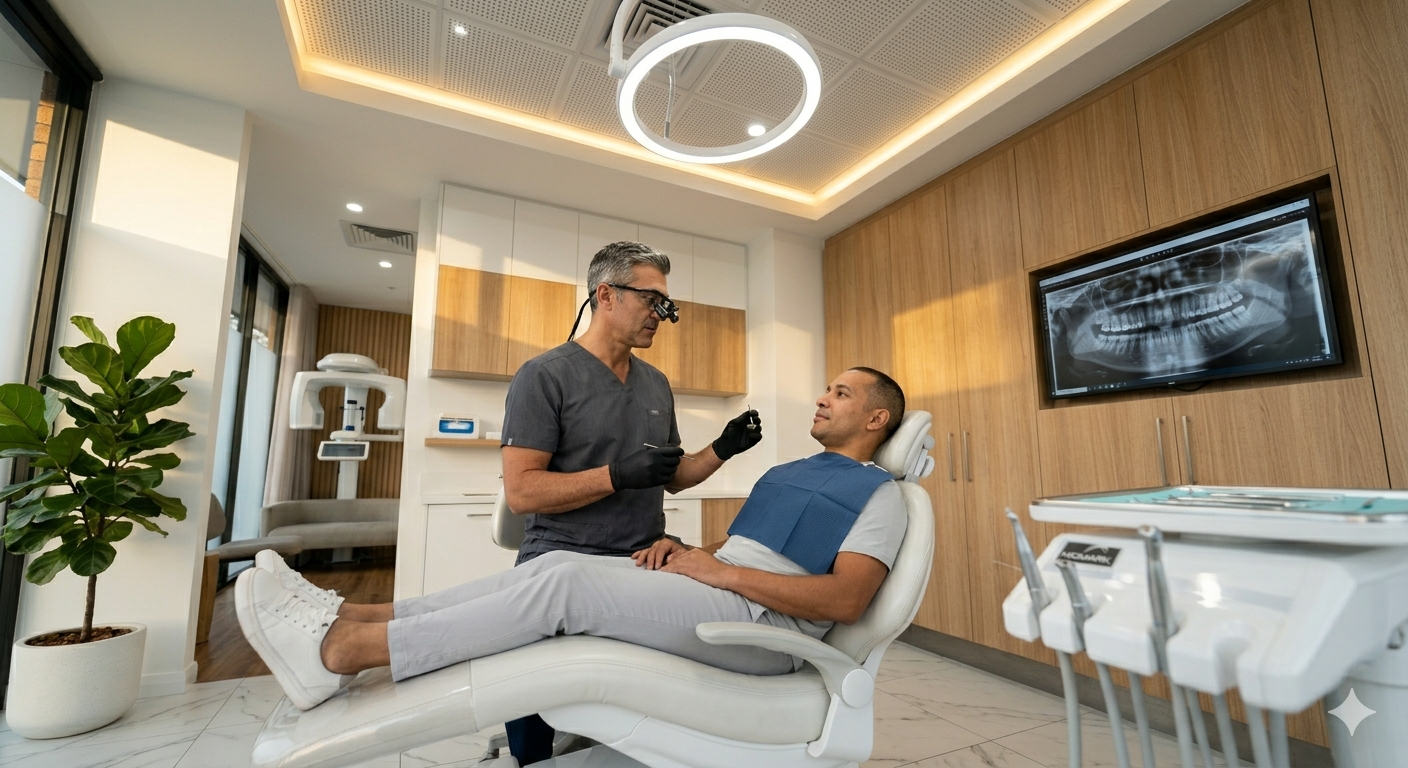
This section highlights clear signs of tooth, gum, and jaw problems that need professional attention. It points out specific symptoms, when to go straight to an emergency clinic, and how to tell urgent from non-urgent issues.
Common Signs and Symptoms
Sharp, persistent tooth pain that wakes a person from sleep or lasts more than 24 hours often indicates infection or nerve damage. Swelling of the face, cheek, or gums—especially if it feels warm or spreads quickly—can signal a spreading infection that needs prompt care.
Visible trauma such as a knocked-out tooth, a tooth broken down to the gum line, or a crown that has been completely dislodged requires immediate stabilization or replacement. Continuous bleeding after an injury that does not stop with pressure for 10–15 minutes is another red flag.
Other important symptoms include fever with tooth pain, severe jaw pain or locked jaw, numbness or tingling in the lip or chin, and a bad-tasting discharge from a tooth or gum pocket. Any of these suggest complications that warrant same-day dental evaluation.
When to Seek Immediate Help
Seek immediate care for trauma: a tooth completely knocked out should be placed in milk or saline and taken to a dentist within 60 minutes for the best chance of replantation. If a tooth is fractured with sharp edges cutting the tongue or cheek, urgent smoothing or coverage can prevent further tissue injury.
Call or visit an emergency dental clinic right away for swelling that restricts breathing or swallowing. These symptoms may indicate a deep-space infection needing IV antibiotics or surgical drainage. Also prioritize same-day care for uncontrolled bleeding after an extraction or injury despite applied pressure.
If someone has severe pain plus fever, spreading facial swelling, or systemic signs like dizziness, they should seek immediate treatment rather than wait for a routine appointment. Quick intervention can prevent complications and reduce the need for more invasive treatment.
Differences Between Urgent and Non-Urgent Issues
Urgent issues include knocked-out teeth, severe uncontrolled bleeding, spreading swelling, signs of systemic infection (fever, malaise), and trauma causing broken jaws. These problems typically require same-day or emergency surgical or medical intervention to preserve function and prevent life‑threatening complications.
Non-urgent issues include mild tooth sensitivity, a loose filling without pain, minor chips that don’t expose the nerve, and cosmetic concerns. These can usually wait for a scheduled appointment within a few days to weeks without risking long-term damage.
Use this quick checklist: pain that is severe or worsening, swelling that increases, bleeding that won’t stop, and any breathing or swallowing difficulty equals urgent. If the issue causes discomfort but no swelling, fever, or functional loss, booking a prompt but non-emergency visit is appropriate.
Types of Urgent Dental Issues
This section outlines common urgent problems, what causes them, and immediate steps to take before seeing a dentist. It focuses on pain control, saving a tooth, and stopping bleeding.
Severe Tooth Pain
Severe tooth pain usually means an infection, deep cavity, exposed nerve, or cracked tooth. Pain that wakes a patient at night, radiates to the ear or jaw, or comes with fever and swelling often indicates an abscess that needs prompt evaluation and likely antibiotics plus definitive treatment such as root canal or extraction.
Immediate steps: rinse gently with warm salt water, take over-the-counter ibuprofen or acetaminophen per dosing guidelines, and avoid extremely hot or cold foods. Apply a cold pack externally for 10–15 minutes to reduce swelling and throbbing.
When to seek care: pain unrelieved by medication, visible swelling of the face or neck, difficulty breathing or swallowing, or fever above 101°F. Providers in Tampa can offer same-day assessment, imaging, and urgent endodontic or surgical care.
Chipped or Broken Teeth
A small chip may only require smoothing and a bonding repair, while fractures that expose dentin or pulp demand faster treatment. A break that causes sharp edges, persistent sensitivity, or changes the bite risks further damage and infection if not treated.
What to do right away: save any broken fragments in milk or saline, rinse the mouth with warm water, and apply a piece of gauze to control bleeding. Avoid chewing on the damaged side and use dental cement or sugar-free gum as a temporary cover for sharp edges.
Treatment options depend on the fracture: composite bonding or veneers for minor chips, crowns for larger breaks, and root canal therapy plus a crown if the pulp is compromised. The dentist will take X-rays and discuss restorative choices based on remaining tooth structure.
Lost or Knocked-Out Teeth
A tooth knocked out by trauma is a time-sensitive emergency with the best chance of replantation within 30–60 minutes. The periodontal ligament cells on the root surface remain viable only for a short window, so quick, proper handling matters.
Immediate care: handle the tooth by the crown only, rinse briefly with saline or milk without scrubbing, and attempt to reinsert into the socket if the person is alert and cooperative. If reinsertion isn’t possible, place the tooth in milk, saline, or the patient’s saliva and get to an emergency dentist immediately.
Definitive treatment may include replantation and splinting, root canal treatment within 7–10 days for permanent teeth, or prosthetic options if replantation fails. Pediatric patients with primary teeth require different management; do not replant baby teeth.
Persistent Gum Bleeding
Persistent gum bleeding beyond gentle brushing, bleeding after a trauma, or bleeding that doesn’t stop within 10–15 minutes requires evaluation. Causes include periodontal disease, medication effects (like blood thinners), vitamin deficiencies, or traumatic injury.
First aid: apply firm pressure with sterile gauze or a tea bag to the bleeding site for 10–15 minutes. Ice applied externally can reduce blood flow. Avoid spitting or using mouthwash immediately, as these actions can prolong bleeding.
The dentist will assess for lacerations, periodontal pockets, or clotting issues, and may perform cleaning, scaling, suturing, or local hemostatic treatments. They will also review medications and medical history and coordinate with the patient’s physician if systemic factors like anticoagulants or blood disorders contribute.
What to Do Before You Reach the Dentist
Keep calm and act quickly. Stabilize the situation, control bleeding, reduce pain and swelling, and preserve any knocked-out teeth for possible reimplantation.
First Aid Tips at Home
When bleeding occurs, have the person sit upright and lean slightly forward to avoid swallowing blood. Use clean gauze or a folded cloth to apply firm, direct pressure to the wound for 10–15 minutes; replace soaked dressings but continue pressure without frequent checking.
If a facial cut or heavy bleeding does not slow after 20 minutes of pressure, seek emergency room care. For a bitten tongue or lip, apply cold packs and pressure; avoid rinsing vigorously if bleeding is active, but once controlled, rinse gently with warm salt water (1/2 teaspoon salt in 8 ounces of water) to reduce contamination.
For injuries from physical trauma, check for signs of concussion (dizziness, confusion, excessive sleepiness). If those signs appear, go to the ER rather than waiting for a dental appointment.
Managing Pain and Swelling
Over-the-counter pain relievers such as ibuprofen (200–400 mg every 4–6 hours, not exceeding label limits) reduce pain and inflammation; acetaminophen works if NSAIDs are contraindicated. Avoid aspirin for children and avoid applying medication directly to gum or tooth surfaces unless directed by a professional.
Apply a cold compress to the cheek for 10–15 minutes on, 10 minutes off, for the first 24–48 hours to limit swelling. After 48 hours, switch to warm compresses if swelling persists, as heat can encourage circulation and healing.
Maintain a soft-food diet and avoid chewing on the injured side. Keep the head elevated while resting to help reduce throbbing and bleeding. If pain, swelling, fever, or spreading redness worsen within 24–48 hours, contact an emergency dentist or urgent care.
Preserving a Dislodged Tooth
If a permanent tooth is completely knocked out, pick it up by the crown (the chewing surface), not the root, to avoid damaging root cells. Rinse the tooth gently under cold running water for no more than 10 seconds if dirty; do not scrub, scrub, or use soap.
If possible, reinsert the tooth into its socket immediately and hold it in place by biting a clean cloth. If reinsertion is not possible, store the tooth in cold milk, saline, or the person’s saliva (placing it inside the cheek) and seek dental care within 30 minutes to an hour for best reimplantation chances.
Do not store a knocked-out tooth in plain water. Avoid wrapping it in tissue or cloth that will dry out the root surface. Bring the tooth and any fragments to the dentist, along with a description of how the injury happened and the time of injury.
Questions or concerns about a specific injury can be addressed by contacting a local emergency dental provider for immediate guidance and to arrange prompt treatment.
How Tampa Providers Approach Emergency Care
Tampa emergency dental teams prioritize fast, accurate diagnosis; effective pain control; and clear communication about next steps. They combine technology, proven medications, and patient-centered support to stabilize patients quickly and plan definitive treatment.
Modern Diagnostic Tools
Tampa clinics use digital X-rays and CBCT scans to pinpoint fractures, root canal anatomy, and impacted teeth within minutes. Digital radiography reduces radiation exposure and produces instant images that clinicians can enlarge and annotate to explain the problem to patients.
Intraoral cameras and high-resolution photos document visible damage and help track healing over follow-up visits. These images often appear on chairside monitors so patients can see the issue and the proposed treatment.
Electronic health records (EHR) let clinicians review prior treatments, allergies, and medications immediately, avoiding delays and unsafe drug choices. Many practices also use teledentistry for initial triage—video calls determine urgency and direct patients to the right location or after-hours provider.
Gentle Pain Management
Clinicians in Tampa typically start with a tailored pain plan: nonsteroidal anti-inflammatory drugs (NSAIDs) for inflammation-related pain and short-term opioid prescriptions only when necessary. Providers review medical history and current medications before prescribing to avoid dangerous interactions.
Local anesthetics like articaine or lidocaine block pain during procedures such as extractions or root canal therapy. For anxious patients, nitrous oxide (laughing gas) or oral sedatives provide calming relief while keeping recovery quick.
Antibiotics are prescribed only when infection signs exist—swelling, fever, or spreading cellulitis—to prevent overuse. Dentists also explain at-home care: cold packs for swelling, soft foods, and when to return if pain or swelling worsens.
Compassionate Patient Support
Tampa teams emphasize clear, calm communication from first contact. Reception staff triage calls by symptoms, offer pain-control tips, and secure same-day or after-hours appointments when needed.
During visits, clinicians use plain language and visuals to walk patients through diagnosis and options. They present treatment choices with pros, cons, timelines, and estimated costs so patients can make informed decisions.
Staff prioritize comfort measures—short wait times, empathetic explanations, nitrous oxide or oral sedation, and post-procedure instructions with direct phone access for follow-up questions. This practical support reduces anxiety and helps patients focus on recovery.
If the reader wants to arrange an urgent visit or ask about after-hours options, calling a local Tampa emergency dental office or using its online triage form is the next practical step.
How to Choose the Right Clinic
Choose a clinic that combines rapid access, experienced clinicians, and clear pricing. Prioritize patient comfort, modern equipment, and staff who communicate treatment options plainly.
Factors to Consider
Look for clinics with board-certified dentists and years of emergency experience. Verify dentist credentials and any specialist availability (oral surgeon, endodontist) for complex issues like fractured roots or severe infections.
Assess infection control and technology: digital X-rays, intraoral cameras, and nitrous oxide or IV sedation options improve diagnosis and comfort. Check facility cleanliness and whether they follow current CDC infection-control protocols.
Compare financial policies: transparent estimates, accepted insurance, and payment plans matter for uninsured patients. Read patient reviews that mention wait times, bedside manner, and outcomes to gauge reliability.
Questions to Ask
Ask directly about typical wait times for walk-ins and emergency slots. A clinic should give realistic time frames and explain triage procedures for life-threatening dental trauma.
Request specifics about treatment scope during an emergency visit: will they extract, root canal, or only stabilize and refer? Knowing this prevents surprises and helps plan follow-up care.
Clarify costs before treatment: request a written estimate, ask which labs or prosthetics may incur extra fees, and confirm insurance participation. Also ask about sedation options and any medical conditions that require pre-visit precautions.
Availability of Same-Day Appointments
Confirm whether the clinic reserves same-day slots for true emergencies like uncontrolled bleeding, facial swelling, or acute infection. The best practices include a dedicated emergency line and an online booking option showing real-time availability.
Ask when after-hours care is available — evenings, weekends, or a 24/7 on-call dentist — and what constitutes an emergency under their policy. Some clinics offer limited urgent care evenings but refer major trauma to hospital-based dental services.
Verify whether same-day care includes definitive treatment or only temporary relief. Clinics that provide same-day crowns, extractions, or emergency root canals reduce the need for repeated visits.
Costs and Insurance Coverage
Emergency dental visits in Tampa often involve variable fees depending on treatment complexity, provider, and timing. Patients should expect out-of-pocket costs for exam, X-rays, and any immediate procedures, with insurance sometimes covering part of the bill.
Typical Expenses
An emergency exam in Tampa usually ranges from $75 to $200, depending on whether it occurs during regular hours or after-hours.
X-rays commonly add $25–$150 based on the number and type (bitewing, periapical, or panoramic).
Simple procedures like tooth extractions typically cost $150–$600 for non-surgical removals.
Surgical extractions, root canal therapy, or crown placement can range from $500 to $2,000 or more when performed urgently.
Additional costs may include local anesthesia ($10–$50), dental lab fees for crowns ($200–$700), and emergency medication prescriptions ($10–$100).
Patients with severe infections may require urgent imaging (CBCT) or referral to an oral surgeon, which increases the total cost.
Payment Options
Most Tampa dental offices accept cash, major credit cards, and debit cards for immediate payment.
Many practices offer short-term payment plans or in-office financing that splits the bill into monthly payments with little or no interest for a set period.
Third-party medical/dental financing companies (e.g., CareCredit) provide longer repayment terms; approval depends on credit and may be completed online or in-office.
Some clinics offer sliding-scale fees based on income or membership programs that reduce emergency visit costs for a yearly fee.
Patients should ask for an itemized estimate before treatment and clarify whether labs, medications, or follow-up visits are included to avoid surprise charges.
Accepted Insurance Plans
Most Tampa emergency dental providers accept major dental insurers such as Delta Dental, MetLife, Cigna, and Guardian, but plan participation varies by office.
Medicaid and Medicare do not consistently cover adult emergency dental services in Florida; coverage depends on plan specifics and may be limited to procedures addressing acute pain or infection.
Children’s dental care is more likely covered under Florida Medicaid (Children’s Health Insurance Program), but verification is required.
Patients should call their dental office and insurer before treatment to confirm network status, co-pays, deductibles, and annual maximums.
Bringing insurance cards and a photo ID to the visit speeds processing and lets staff file claims promptly.
Preventing Future Dental Emergencies
Consistent prevention reduces the chance of sudden pain, broken teeth, and infections. Small, regular actions—professional exams, protective gear, and daily habits—deliver the biggest long-term benefits.
Routine Checkups
Patients should schedule dental exams every six months, or more often if they have gum disease, weakened enamel, or a history of emergency visits. During these visits, dentists perform professional cleanings, digital X-rays, and oral cancer screenings to catch cavities, cracks, or infections before they become urgent.
Dentists also assess bite alignment and wear patterns that can lead to fractures. For patients who grind teeth, providers may recommend a custom night guard to prevent chips and root damage. Those with large fillings or crowns receive focused checks to ensure restorations remain intact.
Insurance often covers preventive visits; patients should verify benefits to avoid unexpected costs. Prompt treatment of small problems—like replacing a failing filling—costs less and prevents emergency extractions or root canals.
Protective Gear for Sports
Individuals who play contact or high-velocity sports should use mouthguards every time they practice or compete. Over-the-counter guards offer basic protection, but a custom-fitted mouthguard from a dentist absorbs impact better, fits comfortably, and reduces the risk of tooth fractures and jaw injuries.
Helmets and face shields add important protection for baseball, hockey, and cycling. Parents should ensure youth athletes wear properly sized equipment and replace mouthguards if they show wear, deform, or no longer fit. Adolescents with braces need specially designed guards to protect both brackets and soft tissue.
After any blow to the face, players must seek dental evaluation even if teeth look fine. Early imaging and assessment can reveal root damage or tooth mobility that will worsen without treatment.
Daily Oral Health Habits
Brushing twice daily with fluoride toothpaste and flossing once a day removes plaque that causes decay and gum inflammation. Use a soft-bristled brush and gentle circular strokes to avoid enamel abrasion and receding gums. Electric toothbrushes can improve plaque removal for many patients.
Limit acidic and sugary snacks between meals; acids soften enamel and sugars feed cavity-causing bacteria. Rinse with water after acidic foods and wait 30 minutes before brushing to protect softened enamel. For patients with dry mouth, saliva-stimulating lozenges or a fluoride rinse reduce decay risk.
Regularly inspect the mouth for cracks, swelling, or loose teeth and report changes to the dentist promptly. Taking these practical steps helps prevent many emergencies and keeps treatment options simpler and less invasive.
What to Expect After Emergency Treatment
Most patients leave the clinic with clear instructions, prescriptions if needed, and an arranged follow-up or referral. Pain control, infection prevention, and monitoring for complications are the main priorities in the hours and days after treatment.
Follow-Up Care
The dental team schedules a follow-up appointment to check healing, remove sutures if present, and confirm that any temporary restorations are functioning properly. If a tooth was reimplanted or a crown placed temporarily, X-rays and bite checks are commonly repeated within 1–2 weeks to assess stability.
Patients will often receive a written care plan listing medications, dietary restrictions, and signs to watch for. Important warning signs include increasing pain despite medication, swelling that worsens after 48 hours, fever above 100.4°F (38°C), or persistent numbness; those warrant immediate contact with the office or an emergency clinic.
If antibiotics, analgesics, or a tetanus update were prescribed, the team explains dosing, duration, and common side effects. Referral to a specialist (endodontist, oral surgeon) is arranged when definitive treatment—root canal therapy, surgical repair, or prosthetic restoration—is necessary.
Tips for Recovery
Pain management usually starts with over-the-counter ibuprofen (200–400 mg every 4–6 hours as needed, not exceeding 3,200 mg/day) unless contraindicated; acetaminophen can be alternated if advised. Patients should follow specific prescription instructions exactly and avoid alcohol while taking opioids or antibiotics.
Oral care remains important but gentle: brush softly near the treated area, rinse with a saline solution or a prescribed antimicrobial rinse 24 hours after surgery, and avoid vigorous swishing. Maintain a soft-food diet for 48–72 hours—yogurt, mashed potatoes, smoothies (avoid using a straw), and lukewarm soups help nutrition without stressing the site.
Ice packs applied 15 minutes on/15 minutes off for the first 12–24 hours reduce swelling. Sleeping propped on two pillows helps drainage and comfort. Encourage communication with the dental office if questions arise, and schedule the recommended restorative or specialist appointment to restore function and prevent further issues.
Finding After-Hours Assistance Locally
Patients should first call their regular dentist; many Tampa practices offer on-call services or an emergency line for nights and weekends. If the office has voicemail instructions, follow them — they often direct callers to the quickest available help.
Local urgent care centers can treat minor dental injuries like soft-tissue cuts or swelling until a dentist is available. However, urgent care typically cannot perform root canals or complex extractions, so confirm capabilities before traveling.
Hospital emergency departments provide care for severe situations such as uncontrolled bleeding, facial fractures, or signs of systemic infection. Emergency rooms stabilize patients and refer them to dental specialists for definitive treatment.
Use online tools to locate after-hours dental care: search local listings, check dental association directories, or use maps with filters for “open now.” Verify patient reviews and office credentials, and note whether the clinic accepts your insurance or offers payment plans.
Keep a short checklist ready for calls: description of the problem, time of injury, current medications, and allergy information. Having photos of the injury can speed triage and help the on-call clinician advise next steps.
If pain is severe, swelling progresses, or breathing/swallowing becomes difficult, seek emergency medical care immediately. For non-life-threatening issues, scheduling the next available dentist visit still helps prevent complications.
They should consider saving emergency contact details and office hours on their phone for quick access. Encourage readers to ask their dentist about after-hours protocols during regular visits to avoid delay when problems arise.
Connecting With a Friendly Tampa Dental Expert
Patients in Tampa can reach a local dental expert quickly when pain or injury strikes. The clinic staff answers calls promptly and guides callers through simple first-aid steps to reduce discomfort before arrival.
They describe common emergency signs — severe toothache, swelling, knocked-out teeth, loose restorations — so patients know when to seek immediate care. Clear instructions help people decide whether to come in right away or schedule a next-day visit.
Appointments often include a same-day exam, X-rays if needed, and a treatment plan explained in plain language. Dentists discuss pain control, short-term fixes, and long-term options so patients feel informed and comfortable making decisions.
Many practices offer evening or weekend hours to fit busy schedules and reduce delays in care. They also accept major insurances, provide transparent estimates, and explain payment options to ease financial concerns.
- Call reception for urgent guidance and appointment availability.
- Keep a small emergency kit: gauze, pain reliever, and contact info for the office.
- Bring a list of medications and dental history to speed up care.
They encourage questions and reassure patients that comfort and safety are priorities. Patients are invited to call or book online to discuss symptoms and arrange prompt, compassionate care.
Frequently Asked Questions
This section answers common concerns about urgent dental problems in Tampa, including what qualifies as an emergency, expected wait times for severe symptoms, first-aid steps for damaged teeth, payment and walk-in options, and where to find after-hours care.
What counts as a true dental emergency versus something that can wait until the next business day?
A true dental emergency involves uncontrolled bleeding, severe facial swelling, persistent fever with dental pain, or a tooth completely knocked out. These problems risk infection, airway compromise, or permanent tooth loss and need immediate attention.
Minor issues that can usually wait include a slight toothache, a small crack without pain, or a lost filling that doesn’t cause sharp pain. If symptoms worsen overnight or produce swelling, fever, or spreading pain, treat it as an emergency.
How quickly should I be seen if I have a severe toothache, swelling, or possible infection?
Patients with severe toothache, visible facial swelling, fever, or pus should be seen the same day. Prompt evaluation reduces the risk of spread to surrounding tissues and may prevent hospitalization.
If the infection causes difficulty breathing or swallowing, seek emergency medical services immediately. Those symptoms indicate a potentially life-threatening spread.
What should I do right now if I chip, crack, or knock out a tooth to improve the chance of saving it?
For a knocked-out permanent tooth, pick it up by the crown, rinse gently if dirty, and try to reinsert it into the socket. If reinsertion isn’t possible, store the tooth in milk or a specially formulated tooth-preservation solution and get to a dentist within 60 minutes.
For chips or cracks, rinse with warm water and apply cold compresses for swelling. Save any broken fragments and see a dentist quickly—smaller cracks may need bonding, while larger ones could require a crown or root canal.
Can I get urgent dental help if I don’t have insurance, and what payment options are usually available?
Many urgent dental clinics and private practices accept uninsured patients and offer flexible payment plans, sliding-scale fees, or same-day financing. Clinics often accept credit cards and third-party financing such as CareCredit.
Patients should call ahead to confirm costs and available options. Some Tampa clinics offer reduced-cost emergency exams or put patients on short-term payment arrangements.
Do walk-in dental clinics take same-day emergencies, and what should I bring to my visit?
Many walk-in clinics accept same-day emergencies, especially for pain, infection, or dental trauma. Bring a photo ID, any recent dental records or X-rays if available, and a list of current medications and allergies.
Arrive early, because wait times vary and urgent cases may be prioritized. Call ahead when possible to confirm hours and whether they reserve slots for severe cases.
Where can I find care outside regular hours, including late nights or weekends, if pain suddenly gets worse?
Several Tampa dental offices maintain after-hours phone lines with on-call dentists for nights and weekends. Local emergency departments can manage severe infections or trauma if a dental office is unavailable.
Search for “Tampa emergency dentist after hours” or call local practices to learn their on-call policies. For life-threatening signs—trouble breathing, swallowing, or high fever—go to the nearest ER immediately.